
Article: What Is Ethical Fashion? A Practical Guide for NZ Shoppers
What Is Ethical Fashion? A Practical Guide for NZ Shoppers
Last updated: July 2026 · By Myint Aung, Founder of Reca
Ethical fashion is clothing and jewellery made in ways that treat people fairly - fair pay, safe working conditions, and no exploitation at every step of the supply chain. It overlaps with sustainable fashion, which focuses on environmental impact, but the two aren't the same: ethical fashion is primarily about people, sustainable fashion about the planet. The best brands work on both.
Ethical vs sustainable vs slow fashion
| Term | Main focus | Questions it answers |
|---|---|---|
| Ethical fashion | People | Were the makers paid fairly? Were conditions safe? Was there child or forced labour? |
| Sustainable fashion | Planet | What fibres were used? How much water, energy and chemicals? What happens at end of life? |
| Slow fashion | Consumption | Is this designed to last? Am I buying less, but better? |
Why it matters
The fashion industry accounts for an estimated 8–10% of global greenhouse gas emissions - more than international aviation and shipping combined, according to the UN Environment Programme (UNEP). Between 2000 and 2015, clothing production roughly doubled while the average number of times a garment is worn fell by 36% (Ellen MacArthur Foundation, A New Textiles Economy, 2017). Behind those numbers are millions of garment workers, most of them women, many earning below a living wage.
Here in Aotearoa, we send an estimated 180,000–220,000 tonnes of clothing and textiles to landfill every year, roughly 44 kg per person (One Planet NZ; WasteManagement NZ, 2023).
What to look for: a 7-point checklist
- Transparency about who makes the clothes. Brands doing the right thing name their makers, factories or artisan partners.
- A living wage commitment - not just "complies with local law". Local minimum wages in garment-producing countries are often well below living costs.
- Credible certifications such as GOTS (organic textiles), Fairtrade, or B Corp. Certifications aren't everything, but they're independently audited.
- Natural or low-impact fibres - organic cotton, linen, TENCEL™, wool - rather than cheap virgin polyester.
- Honest language. Vague claims like "eco-friendly" or "conscious" with no specifics are greenwashing red flags.
- Repair, care and longevity - size charts, care guides, timeless cuts, and quality that lasts beyond a season.
- A story that checks out. Look for third-party coverage, reviews, and details that are verifiable.
How Reca approaches it
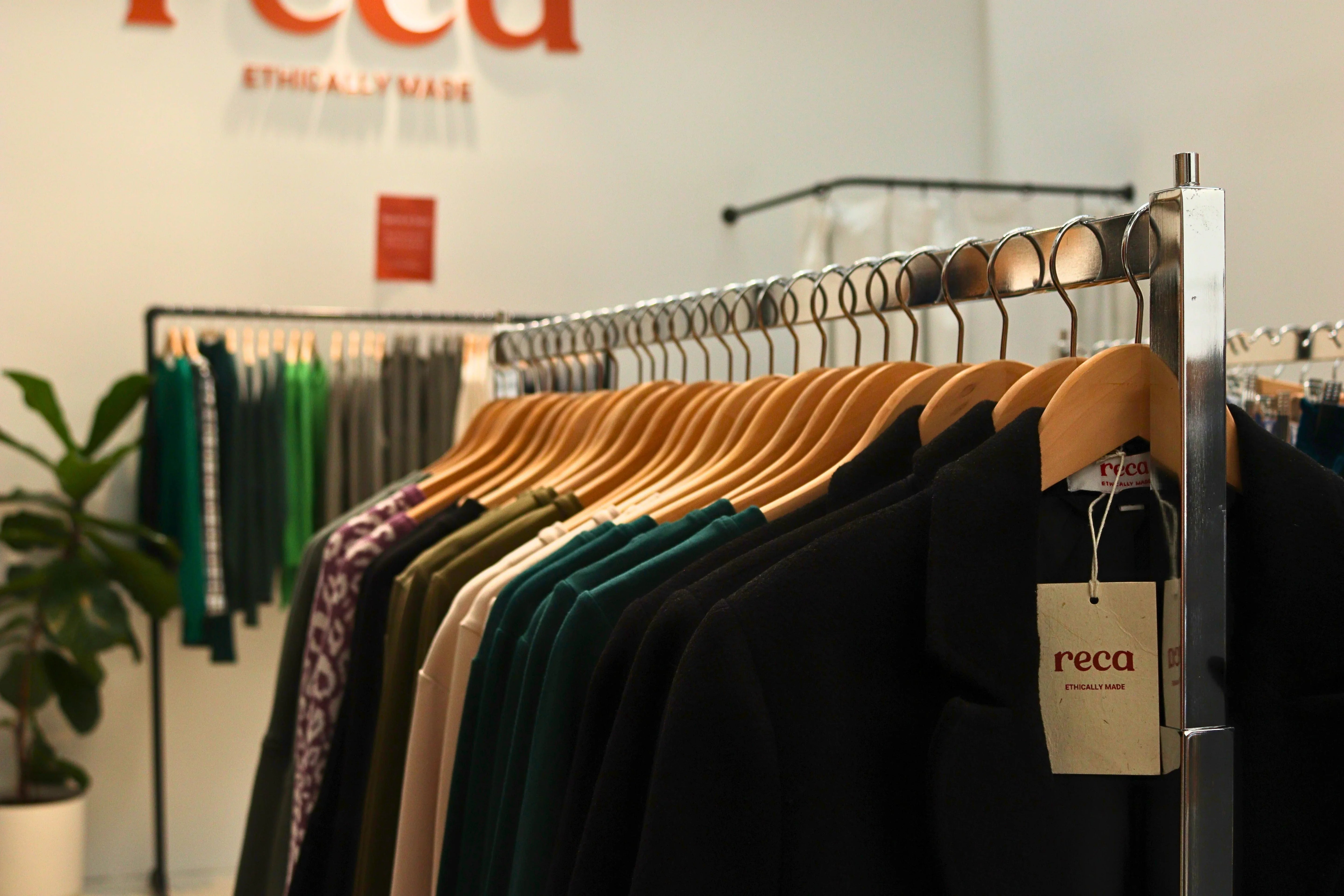
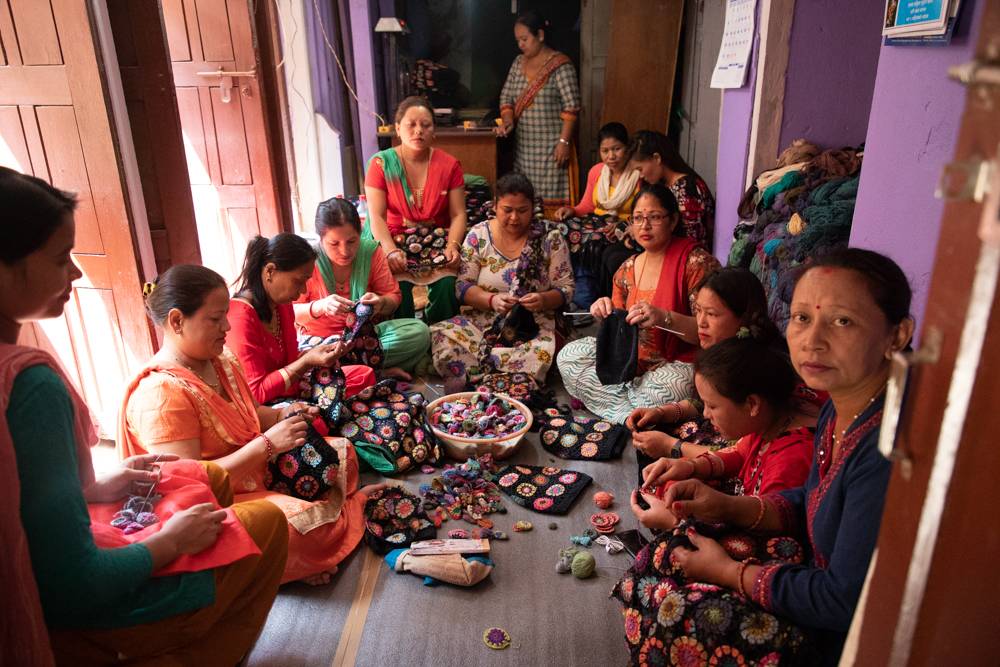
Reca was founded on one word: care. Our jewellery is handcrafted in New Zealand by women from former refugee backgrounds who earn at least the living wage. Our clothing is made from natural fibres including GOTS-certified organic cotton, linen and TENCEL™ - by ethical partners in Nepal, India and New Zealand. You can read more about our story or browse our sustainable clothing and ethical jewellery.
FAQ
Is ethical fashion more expensive?
Usually the upfront price is higher, because fair wages and quality materials cost more than exploitation and polyester. Per wear, it's often cheaper; a well-made garment worn 100 times costs less per wear than a fast-fashion piece worn seven times.
What's the difference between ethical and sustainable fashion?
Ethical fashion focuses on how people in the supply chain are treated; sustainable fashion focuses on environmental impact. A brand can be one without the other - the best are both.
How do I know if a brand is greenwashing?
Look for specifics. "Eco-friendly" means nothing without evidence; "GOTS-certified organic cotton, sewn by named partners in Kathmandu" is verifiable.
Where do I start in NZ?
Start small: buy less, choose natural fibres, check for living-wage commitments, and support local and transparent brands.